The conversation around the future of IT in Oman is no longer theoretical. It is visible in the way businesses are changing right now. More organisations are investing in digital processes, more sectors are looking for tailored software and more leaders are recognising that technology is no longer just a support function. It is becoming part of the business model itself.
From support tool to strategic engine
For years, many companies treated IT mainly as a maintenance activity: networks, devices, email, backups and basic business software. That role still matters, but the expectation has changed. Today, IT is expected to improve customer experience, reduce manual dependency, speed up decisions and create new operational capacity.
What the next phase looks like
Industry-specific solutions
Generic software will continue to have a place, but demand is growing for systems shaped around specific business realities — healthcare, logistics, property, restaurants, garages, schools, consultancies and more.
Automation and workflow control
Companies are looking to reduce repetitive manual work and gain more reliable process discipline.
Mobility
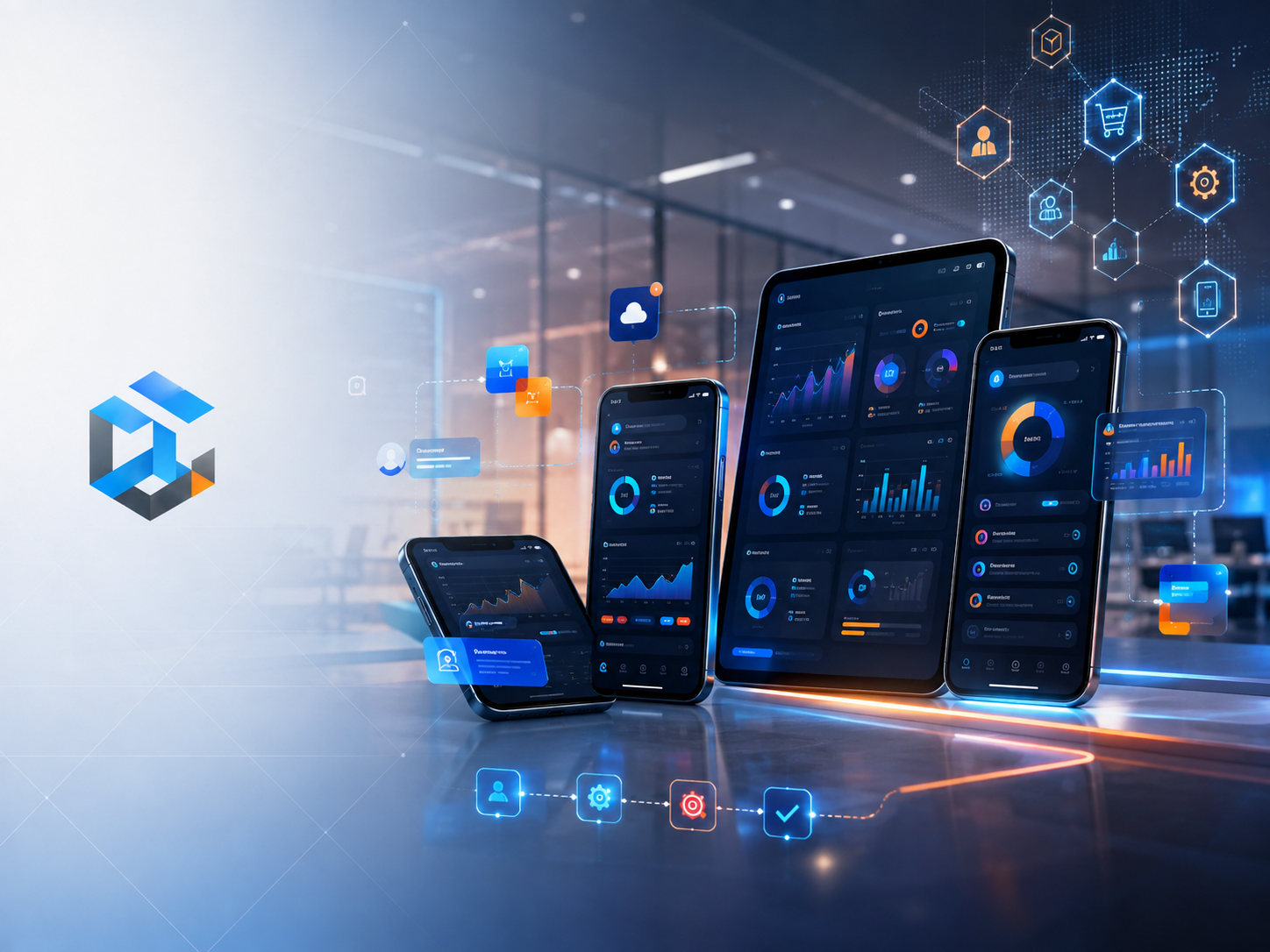
Leaders and teams want access on the move. That is why mobile ERP, field apps and responsive business systems are becoming more important.
Data visibility
Businesses want dashboards they can trust, not delayed manual reports. Visibility will continue to be one of the strongest drivers of IT investment.
Why Oman is well placed
Oman’s business environment is becoming more digitally aware. As organisations grow, the appetite for structured systems also grows. This creates space for software companies that can provide not only coding, but meaningful business solutions.
That is where companies like Axyra Global are well positioned. The future is not just about building apps. It is about building systems that help organisations operate better.
The future of IT in Oman will belong to practical innovation — technology that solves real business problems and creates clear value.